Todos nuestros servicios en un solo lugar
Todos nuestros servicios en un solo lugar

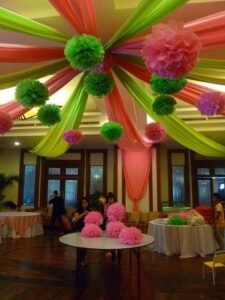
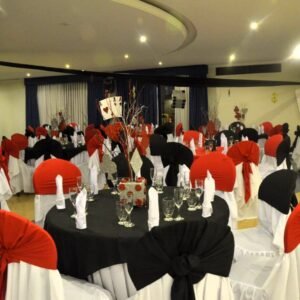
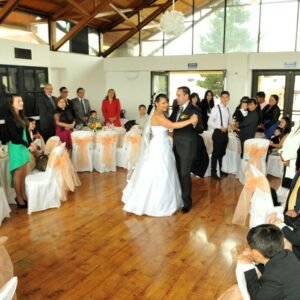
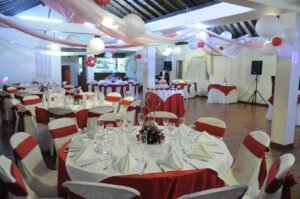
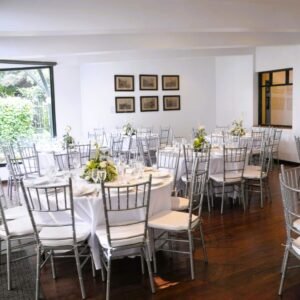
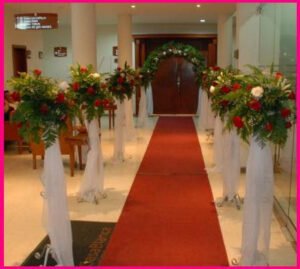
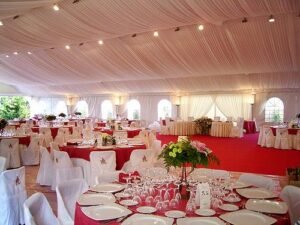
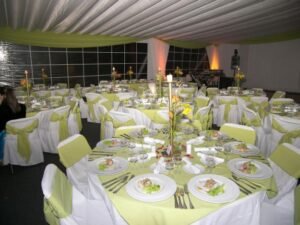
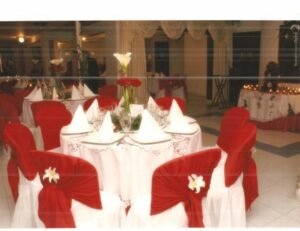
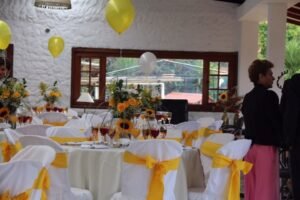
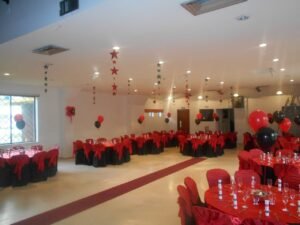
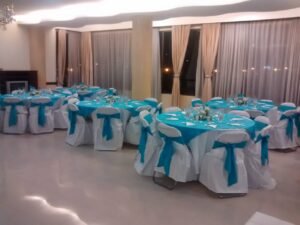
Transforma tus eventos en experiencias inolvidables con nuestros servicios de banquetes y asesoría profesional en imagen. Ofrecemos soluciones integrales de peluquería y prótesis capilares de alta calidad. Descubre cómo podemos hacer de tu ocasión especial algo único y memorable.

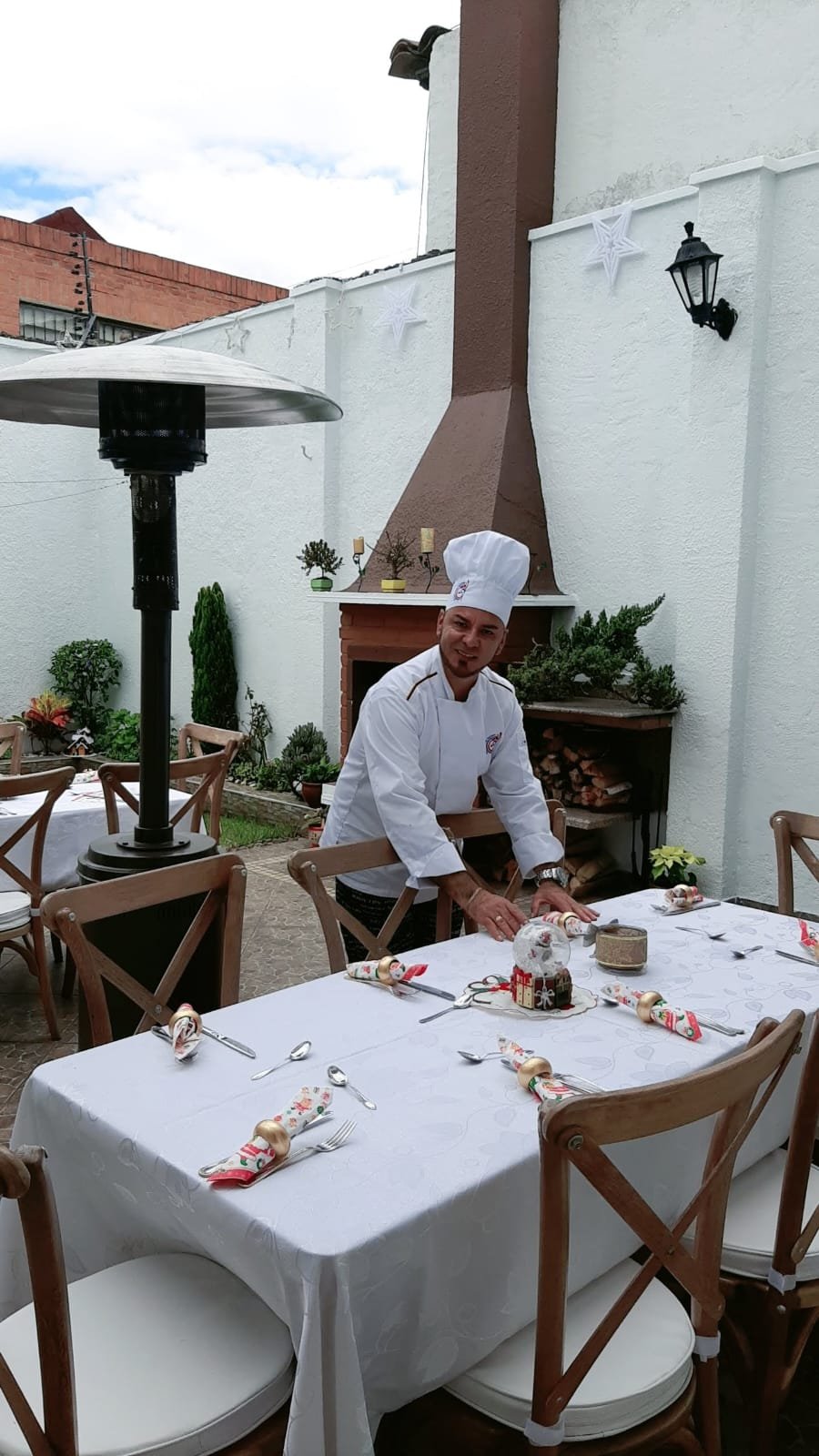
“Mi misión es que nuestros clientes no solo se vean bien, sino que también se sientan excepcionales.”
Ferney Cárdenas.